






















Did you know 80% of Gen Z has reported to be dealing with anxiety or depression compared to older generations? In recent research it’s been found that many young adults and Gen Z have had a sky rocket of mental health issues compared to other generations. Some people connect this to today’s economic pressure and the advancements of the internet.
A very common reason that has been speculated on why these mental health issues have skyrocketed in young adults and teens is economic pressure, like rent and student loans after school is done. “Tuition and board for a four-year college increased by 40% between 2001 to 2023, going from $22,118 in the 2000-01 school year to $30,884,” says the Federal Reserve Bank of St. Louis. “Median personal income has not kept pace, helping lead to student debt growth of over 230% between 2006 and 2020.” As well as not just collecting debt when going into schooling, some debts are so large that it delays creating families and it’s decreasing homeownership depending on the level of debt that’s been collected.
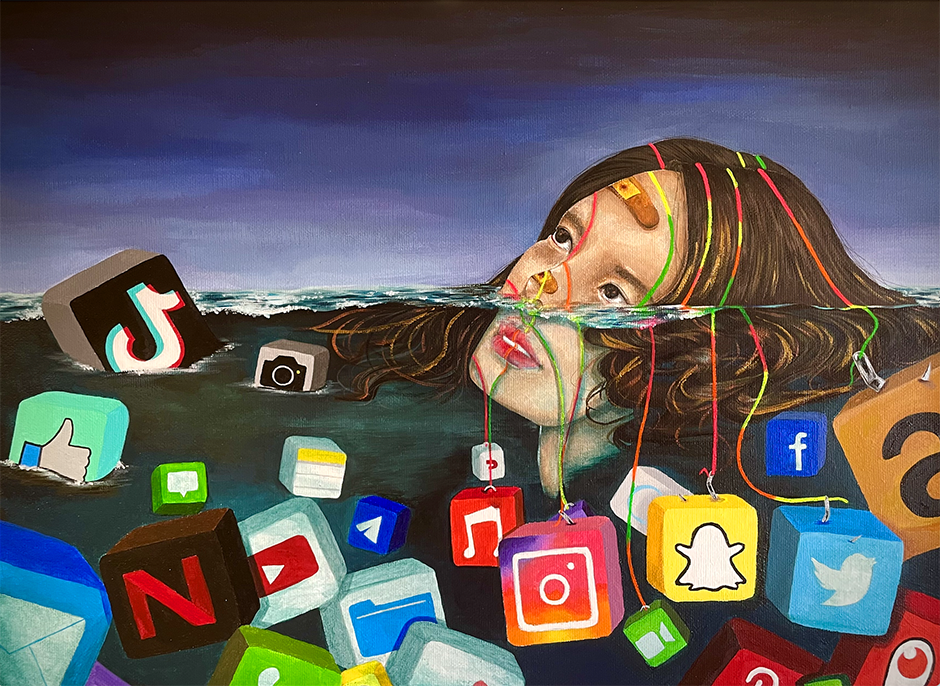
Another reason that could be a cause of depression and anxiety in young adults and teens can also be connected to the internet’s unrealistic expectations, including the rapid rise in things like AI generation and rapidly evolving technology similar to generative AI. “Social media exposure is closely linked to adolescent substance use behaviors. Research suggests that adolescents who frequently encounter depictions of alcohol and drug use on these platforms are at higher risk of engaging in these behaviors themselves [6]. This effect is particularly concerning given adolescents’ heightened sensitivity to peer influence and their desire for social acceptance,” says the National Library of Medicine. “Problematic usage of social networking sites (SNS) has been associated with higher rates of depression, anxiety, stress, obsessive-compulsive disorder (OCD), and attention-deficit/hyperactivity disorder (ADHD).” In the article, it also mentions how being on the internet for long periods of time can lower self esteem and influence eating disorders.
In conclusion, the evidence all points to the rise of depression in young adults and teens is the result of economic pressure and the rapid advancements of technology influencing unrealistic expectations for kids, and giving teens and young adults symptoms of things like ADHD, OCD, stress, and anxiety. This could eventually form into a mental disorder. If we don’t fix this issue, how bad will the generations to come end up? “Fix it.”